At Global Green Energy Group, we are redefining waste management by transforming waste into valuable resources, paving the way for a sustainable, circular economy. Our innovative pyrolysis technology is at the forefront of this change.
The European Union has implemented stringent regulations—including the Waste Framework Directive, the Landfill Directive, and the Industrial Emissions Directive—to reduce reliance on environmentally harmful disposal methods. These regulations are designed to minimize greenhouse gas emissions, protect groundwater, and promote a circular economy through waste prevention, reuse, recycling, and recovery.
At Global Green Energy Group, our cutting-edge pyrolysis technology offers a transformative solution that aligns perfectly with these legislative priorities. By thermally decomposing municipal waste and end-of-life Tyres in an oxygen-restricted environment, our technology not only diverts waste from landfills and incinerators but also converts it into renewable energy and valuable by-products such as synthetic fuel, hydrogen, green steel, and advanced polymers. This approach enhances resource recovery, reduces emissions, and contributes to the EU's sustainability goals.
In embracing pyrolysis, we empower Europe to transition from a linear waste model to a sustainable, circular economy—ensuring a cleaner environment, economic efficiency, and a resilient future for all stakeholders.
Powered by Clean Innovation – Led by Global Green Energy Group
Europe faces a mounting crisis in managing end-of-life tyres (ELTs), generating over 3.5 million tonnes annually. Increased vehicle usage and shorter tyre life are accelerating the problem, overwhelming outdated disposal systems. Traditional methods like landfilling and incineration are no longer viable under evolving EU environmental directives. At the same time, illegal dumping and stockpiling persist, threatening ecosystems and communities. As Europe shifts toward a circular economy, the demand for clean, scalable, and innovative solutions has never been greater.
Each year, more than 200 million tyres in Europe reach their end-of-life. Despite existing collection and recycling frameworks, up to 25% remain unmanaged, ending up in uncontrolled dumps or exported to countries with weaker environmental controls. These tyres represent a vast, untapped resource—one that, if harnessed sustainably, could deliver valuable materials, energy, and environmental benefits. The EU's Green Deal and Zero Pollution Action Plan make it clear: the time for transformative action is now.
Improperly managed waste tyres pose severe environmental and public health hazards. When dumped, they leach harmful chemicals into soils and waterways. Accumulated tyres also provide ideal breeding grounds for mosquitoes and disease vectors. Fires involving stockpiled tyres release toxic smoke, carcinogens, and black carbon, often causing widespread contamination and massive financial losses.
Global Green Energy Group's proven pyrolysis technology can recover and reuse over 90% of waste tyres, offering a sustainable alternative that aligns with EU legislation and supports the transition to a circular economy.
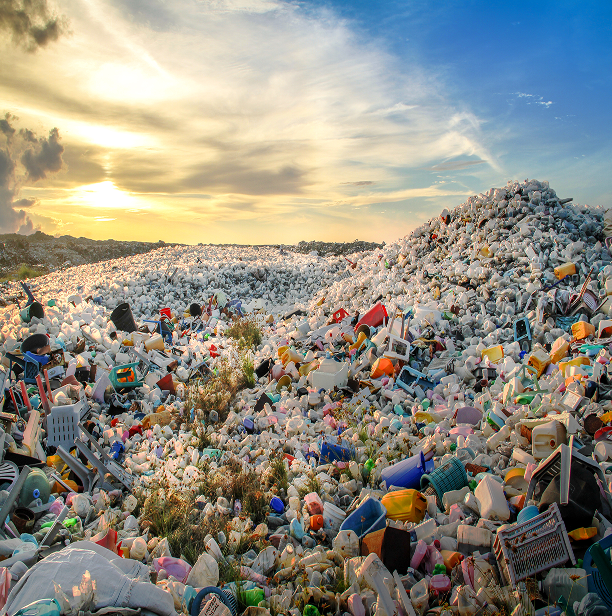
Europe's practice of exporting municipal and tyre waste to regions with weaker environmental safeguards often results in significant ecological harm and poses serious public health risks. This transfer shifts the burden of waste management from advanced economies to less developed regions, raising critical ethical concerns about global sustainability and environmental equity.
Despite stringent EU regulations—such as the Waste Framework Directive and Landfill Directive—market forces and regulatory loopholes sometimes drive waste exports. This practice undermines local waste management initiatives, hampers the development of circular economy models, and imposes disproportionate environmental and financial costs on less economically advanced regions.
Traditional incineration methods release harmful pollutants and greenhouse gases, while our pyrolysis technology offers a cleaner alternative that captures valuable resources from waste.
Our innovative pyrolysis technology offers a transformative local solution by converting waste into renewable energy and valuable by-products. By processing waste on-site rather than exporting it, we reduce environmental harm, align with EU sustainability goals, and promote a circular economy that keeps resource recovery within Europe. This approach not only delivers significant environmental benefits but also creates new economic opportunities and supports local industry resilience.
We provide comprehensive waste management solutions designed to minimize environmental impact and promote resource recovery. Explore our innovative approaches to effective and responsible waste management.
Our energy recovery solutions convert waste into valuable energy resources. Learn how our advanced technology and processes contribute to a cleaner and more sustainable energy landscape.
We offer consulting services that provide expert guidance on waste management and energy production. Our services range from strategic planning to regulatory compliance and operational optimization.
Recognizing that each client has unique needs, we offer customized solutions tailored to specific requirements, ensuring optimal results and significant sustainability benefits.
Contact us today to learn how our innovative pyrolysis solutions can benefit your business and the environment.
Get in Touch